Lyme disease is an infectious illness caused by the bacterium Borrelia burgdorferi complex that is transmitted through the bite of infected ticks. It is the most common vector-borne infection in North America and Europe and has become increasingly recognized as tick populations expand into new regions. Once transmitted, the bacteria can spread through the bloodstream and tissues, affecting multiple systems in the body. Lyme disease is therefore considered a multi-system illness, with potential effects on the immune system, joints, nervous system, and sometimes the heart.
Lyme disease influences the immune system and inflammatory pathways therefore, it sometimes overlaps with other complex chronic conditions such as Chronic Inflammatory Response Syndrome (CIRS) and certain Autoimmune Disorders.
Ticks that carry Lyme disease live in wooded and grassy environments and are increasingly found across many regions of North America, including parts of Canada. Not every tick bite leads to infection, but when transmission occurs the bacteria can spread through the bloodstream and tissues.
Early symptoms often resemble a flu-like illness and may include fatigue, fever, headache, muscle aches, swollen lymph nodes, and an expanding rash known as erythema migrans.
However, Lyme disease does not always follow a predictable pattern. Some individuals develop neurological symptoms, joint pain, or cognitive changes weeks or months after the initial infection. In some cases, people do not recall a tick bite at all.
Because the symptoms can vary widely, Lyme disease is often difficult to recognize, particularly when symptoms evolve gradually over weeks or months as the infection affects different body systems.
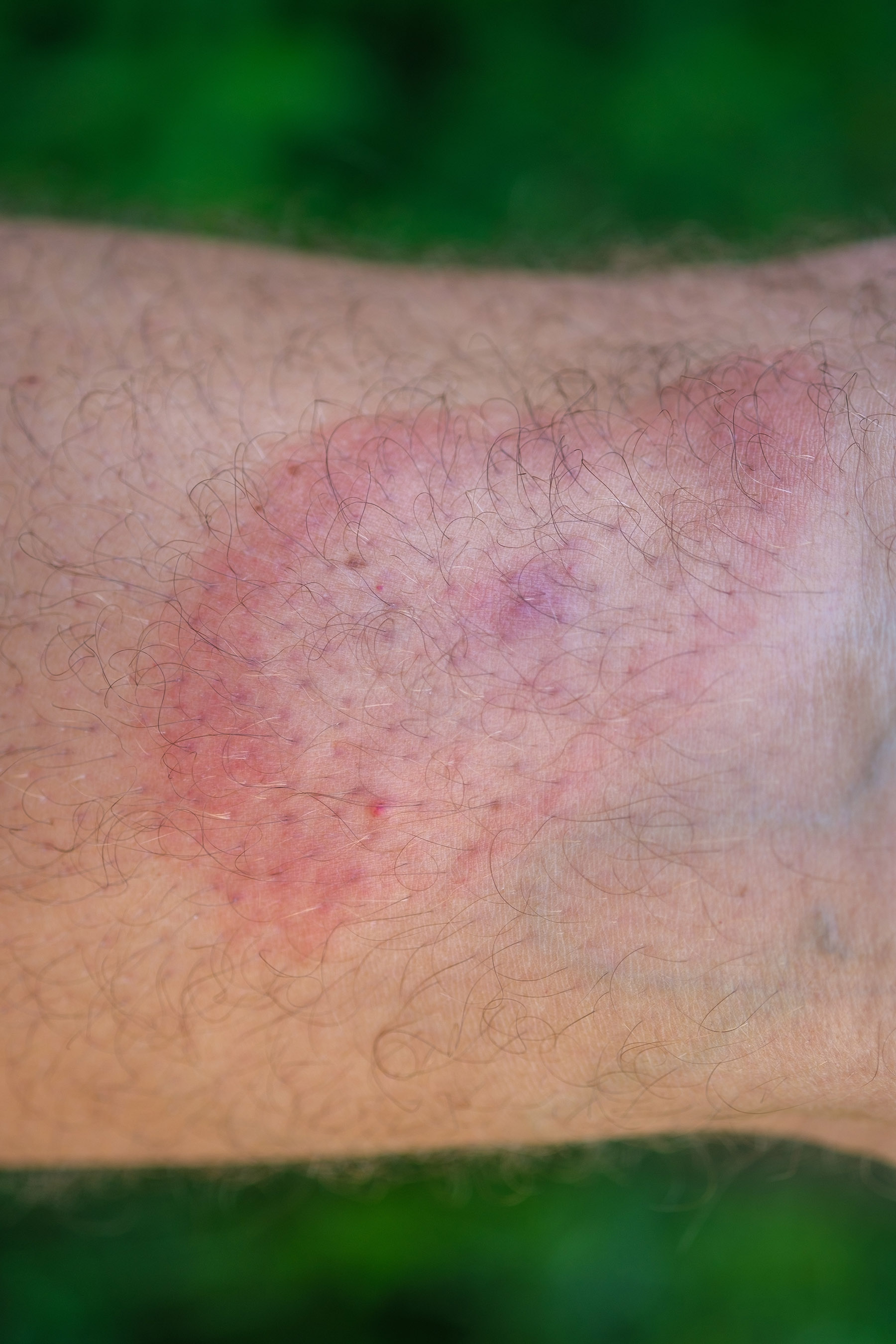
Lyme disease does not always present with a single, consistent pattern of symptoms. Instead, it can affect multiple systems in the body, which means symptoms may change over time or resemble other chronic illnesses. Several factors contribute to this variability:
For these reasons, evaluating Lyme disease often requires careful consideration of symptoms, environmental exposure, and overall health history.
Symptoms of Lyme disease vary widely and may affect multiple systems in the body. The specific symptoms experienced often depend on the stage of infection and the body systems involved.
Because Lyme disease can affect multiple body systems simultaneously, symptoms often evolve over time rather than appearing all at once. And because there is so much variation between individuals, recognizing Lyme disease often requires looking at the overall pattern of illness rather than focusing on a single symptom.
For many individuals, Lyme disease improves with early treatment. However, some people continue to experience symptoms for months or longer after the initial infection.
Persistent symptoms can include fatigue, cognitive difficulties, joint or muscle pain, sleep disturbances, and neurological symptoms. In some cases, these symptoms develop gradually after the initial illness or continue even after treatment.
There are several reasons why symptoms may persist.
One factor is that Lyme disease can affect multiple systems in the body, including the immune system, nervous system, and inflammatory pathways. When these systems are disrupted, it may take time for the body to return to normal regulation even after the infection has been treated.
In other cases, co-infections transmitted by the same tick bite may contribute to ongoing symptoms. Ticks can carry multiple pathogens at once, which means some individuals may be exposed to more than one infectious organism at the same time. These additional infections can complicate both symptoms and recovery.
Research also suggests that immune responses may continue after infection, leading to ongoing inflammation or immune dysregulation in some individuals. The experience of persistent symptoms after treatment is sometimes described as post-treatment Lyme disease syndrome, although the underlying mechanisms are still being studied.
Because symptoms can have many contributing factors, individuals with ongoing illness often benefit from a comprehensive evaluation that considers infections, immune function, inflammation, and other potential health influences.
At Neurvana Health, evaluation for Lyme disease and related infections focuses on understanding the full clinical picture. No single test or symptom can definitively determine whether a tick-borne infection is present.
The evaluation process typically begins with a detailed review of a patient’s medical history, symptom progression, and potential environmental exposure. Many individuals with Lyme disease do not recall a tick bite, so patterns of symptoms and lifestyle exposures can provide important context.
Laboratory testing may be used to help investigate Lyme disease and other tick-borne infections when symptoms suggest a possible infectious contribution.
Most conventional Lyme tests evaluate the immune system’s response to Borrelia burgdorferi rather than detecting the bacteria directly. Because antibodies take time to develop, testing performed too early may produce negative results even when infection is present.
The commonly used two-tier testing approach involves an initial ELISA screening test followed by a confirmatory Western blot if results are positive or indeterminate. While this approach was designed to improve specificity, it may also reduce sensitivity, which means some infections may not be detected by testing alone.
For this reason, laboratory results are interpreted alongside clinical history and symptoms rather than in isolation.
More specialized testing panels may be used to investigate immune responses to Lyme disease, potential co-infections, or other chronic infectious triggers that may contribute to persistent symptoms. These panels can provide a broader view of how the immune system is responding and whether infectious exposures may be contributing to ongoing symptoms.
More information about the laboratory testing used at Neurvana Health can be found on our Tick-Borne & Chronic Infection Testing page.
Because Lyme disease and related infections can affect multiple systems in the body, evaluation often involves considering several factors together:
Because complex infections can influence immune and inflammatory pathways, evaluation may also consider conditions such as Chronic Inflammatory Response Syndrome (CIRS), mast cell activation syndrome (MCAS), or other immune-mediated conditions.
This comprehensive approach helps guide whether tick-borne infections may be contributing to a patient’s symptoms and what further steps may be appropriate for care.
An evaluation for Lyme disease or other tick-borne infections may be considered when individuals experience persistent or unexplained symptoms such as:
Because Lyme disease symptoms can overlap with other chronic conditions, careful clinical evaluation can help determine whether tick-borne infections or other health factors may be contributing to ongoing illness.
Lyme disease occurs most frequently in regions where blacklegged ticks are present. In North America, this includes parts of the northeastern United States, the upper Midwest, and expanding regions of Canada.
In Canada, tick populations have grown in several provinces as environmental conditions change, increasing the potential for tick exposure during outdoor activities.
Individuals who spend time in wooded areas, tall grass, or natural environments where ticks are present may have a higher likelihood of exposure.
Because tick bites are often painless and easily missed, many people with Lyme disease do not recall being bitten.