By Dr. Amy Morrison, ND
If you’ve been living with unexplained symptoms—fatigue, brain fog, digestive issues, strange neurological sensations—and your lab work keeps coming back “normal,” it’s easy to start wondering if it’s all in your head.
But it’s not.
For some patients, there’s a hidden condition quietly disrupting multiple systems in the body. One that doesn’t show up on standard lab work. One that’s often missed or misdiagnosed, especially in patients with a complex history of exposure and long-term symptoms.
That condition is called Chronic Inflammatory Response Syndrome, or CIRS. And for the right patient, identifying and treating CIRS can be life-changing.
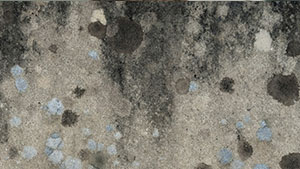
CIRS is a chronic, multi-system illness caused by an immune system that’s stuck in overdrive after exposure to certain environmental toxins—especially mold and other contaminants found in water-damaged buildings.
In individuals with a certain genetic susceptibility (about 24% of the population), the immune system can’t shut off the alarm bells. Instead of clearing the threat and returning to balance, the body continues producing inflammatory signals. Over time, this leads to widespread symptoms that can affect nearly every system in the body.
It’s not an allergy. It’s not an infection. It’s an immune regulation problem. And it won’t go away without addressing the underlying mechanisms.
The most common trigger of CIRS is exposure to water-damaged buildings—and unfortunately, this is far more common than most people realize. Up to 50% of North American homes have experienced some form of water intrusion or mold overgrowth.
Other known triggers include:
You don’t need to recall a dramatic exposure. Even low-level, chronic exposure—like musty smells in your home or working in an old office building—can be enough to trigger CIRS in a genetically susceptible person.
CIRS doesn’t look like a single disease. It’s a constellation of symptoms across multiple systems. That’s part of what makes it so frustrating for patients—and easy to miss for practitioners unfamiliar with it.
Patients with CIRS may experience:
It’s not uncommon for these patients to receive multiple diagnoses over time—chronic fatigue syndrome, fibromyalgia, anxiety, even ADHD or early dementia. But when standard treatments don’t work, it’s time to dig deeper.
Unlike many other conditions, CIRS can’t be diagnosed through conventional lab panels. Instead, we rely on a combination of advanced testing and clinical pattern recognition:
Effective CIRS management requires identifying and treating the root cause, rather than merely easing symptoms. This involves personalized investigations into genetic, environmental, and inflammatory factors. The use of holistic protocols involving biotoxin removal, infection elimination, immune balancing, and lifestyle support. And consistent monitoring and adjustment as required as patients navigate through the step-by-step protocol.
Treating CIRS isn’t about throwing supplements at symptoms—it’s about working through a stepwise protocol designed to calm the immune system, remove lingering toxins, and support recovery at the cellular level.
Here’s how we approach CIRS at Neurvana:
We walk with our patients every step of the way—because recovery from CIRS is possible, but it takes consistency and commitment.
One of the most rewarding aspects of my work is helping patients who’ve been dismissed or misdiagnosed for years finally get answers—and begin to heal.
If you’ve been told that nothing is wrong, it’s “all in your head,” or you’ve tried everything and still feel unwell, CIRS may be worth exploring.
We take your symptoms seriously. We believe your experience, and we have the tools to help uncover what’s going on beneath the surface.
If you suspect CIRS might be playing a role in your health, I invite you to book a Discovery Call with our team. Together, we’ll explore whether this approach is the right next step in your healing journey.
About the Author
Advanced Care Naturopathic Doctor at Neurvana Health

Dr. Amy Morrison focuses on uncovering the hidden causes of complex, chronic illness. With advanced training in mold-related illness, environmental medicine, and functional diagnostic testing, she helps patients get to the root of symptoms like fatigue, brain fog, autoimmunity, and hormone imbalance. Dr. Morrison blends evidence-based integrative medicine with compassionate care, guiding patients through personalized protocols that support lasting healing.