We don’t often think of our daily environment as dangerous. Yet, in the water we drink, the food we eat, the products we use, and even the buildings we live and work in, there can be invisible threats—heavy metals like mercury, lead, arsenic, cadmium, and aluminum which are naturally occurring elements. Many people associate heavy metal poisoning with acute, high-level exposure, but far more common (and insidious) is chronic exposure — smaller amounts over time that quietly accumulate in your tissues.
Over time and even in small amounts, they can overwhelm the body’s detox systems and quietly erode your health. The effects are often subtle at first—slight brain fog, low energy, occasional skin flare-ups—but over time, they can progress into significant, long-term problems.
Heavy metal toxicity isn’t always dramatic. Yes, there are acute cases—like swallowing contaminated water or inhaling industrial fumes—where symptoms show up within days or weeks and are easy to identify. But far more often, the exposure is low-level and ongoing. Over months or years, metals can slowly accumulate in bones, organs, and fat tissue, silently interfering with your body’s most vital functions.
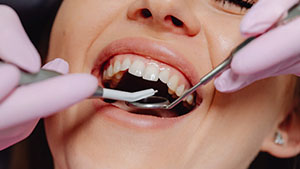
Mercury from older dental fillings, lead from aging pipes or paint, residues from certain cosmetics, and even chemicals in processed foods can all be sources of exposure. Some of the most significant cases I see involve occupational contact—industrial work, welding, railway yards, or metal processing—where daily exposure happens without obvious symptoms in the beginning. Even lifestyle activities like smoking, fishing with lead weights, or hunting with ammunition can contribute.
This kind of chronic exposure doesn’t always show up on standard blood tests. By the time symptoms appear, the metals are often long gone from the bloodstream and deeply embedded in tissues.
Once inside the body, heavy metals can fuel inflammation, disrupt hormone production, weaken bones, and interfere with how your brain cells communicate.
Some metals — like lead — have an affinity for bone, making them a hidden contributor to osteoporosis. Others, like mercury, can cross the blood-brain barrier and affect memory, mood, and focus. And because these processes happen gradually, many people spend years treating symptoms without ever discovering the underlying cause.
Chelation therapy is a medically supervised process of removing heavy metals from the body using special compounds called chelating agents. These agents bind to metals in the bloodstream, forming a complex that your body can safely excrete — most often through urine.
Why Chelation Matters
When heavy metals are mobilized and eliminated, the body can reduce inflammation, restore optimal cellular function, and improve symptoms that were being driven or worsened by toxic burden.
How We Test at Neurvana Health
How We Test at Neurvana Health Most standard lab tests detect only recent exposure, which means chronic, stored metals are easily overlooked. We use urine provocation testing to uncover the full picture of your heavy metal burden. This involves:
Blood tests alone only detect acute exposure, and hair/stool analysis has limited reliability. Urine testing gives us an accurate before-and-after picture that guides safe, targeted treatment.
Our chelation protocols are tailored to your health history, kidney/liver function, and exposure profile.
Common Chelating Agents We Use
If testing shows significant metal burden, we create a tailored chelation protocol based on your health history, organ function, and exposure profile. Treatments are most often delivered by IV once a week. Every fourth session, we provide remineralization IVs to restore essential nutrients like zinc, magnesium, and selenium, which can be depleted during chelation. Glutathione — a powerful antioxidant—is also used to protect the liver, reduce oxidative stress, and support detoxification.
After a set number of treatments, we repeat provocation testing to track progress and adjust the plan if needed. Throughout the process, your safety is our priority, chelation is always done under close medical supervision to protect kidney and liver function and to prevent reabsorption or redistribution of metals.
Main concern: Persistent eczema on eyelids and cheeks
During the comprehensive intake, it became clear there was likely exposure to heavy metals at work. The patient consented to heavy metal provocation testing and the results revealed elevated lead and mercury levels.
Treatment & Outcome:
This case highlights the potential for chelation therapy not just to reduce metal burden, but to improve chronic, inflammatory skin and systemic conditions that may be driven by toxicity
We believe chelation therapy should not be a one-size-fits-all. Our approach combines comprehensive testing, individualized treatment protocols, and whole-body support to ensure your detox is not only effective but also safe and sustainable.
If you’ve been living with unexplained symptoms — or you know you’ve been exposed to heavy metals — chelation therapy could be the missing piece in your recovery. Your health story doesn’t have to be defined by hidden toxins. If you’re in Calgary or the surrounding area, we can help you uncover your heavy metal burden and safely begin removing it.