
When most people think about tick-borne illness, Lyme disease is usually the first condition that comes to mind. Lyme disease is the most widely recognized infection transmitted by ticks, but it is not the only pathogen these insects can carry.
Ticks are capable of transmitting multiple infectious organisms at the same time. These additional infections are known as co-infections, and they can play an important role in how symptoms develop and how an illness progresses.
For some individuals, co-infections may contribute to a broader range of symptoms or make the clinical picture more complex. Understanding how these infections interact can help explain why tick-borne illness does not always follow a predictable pattern.
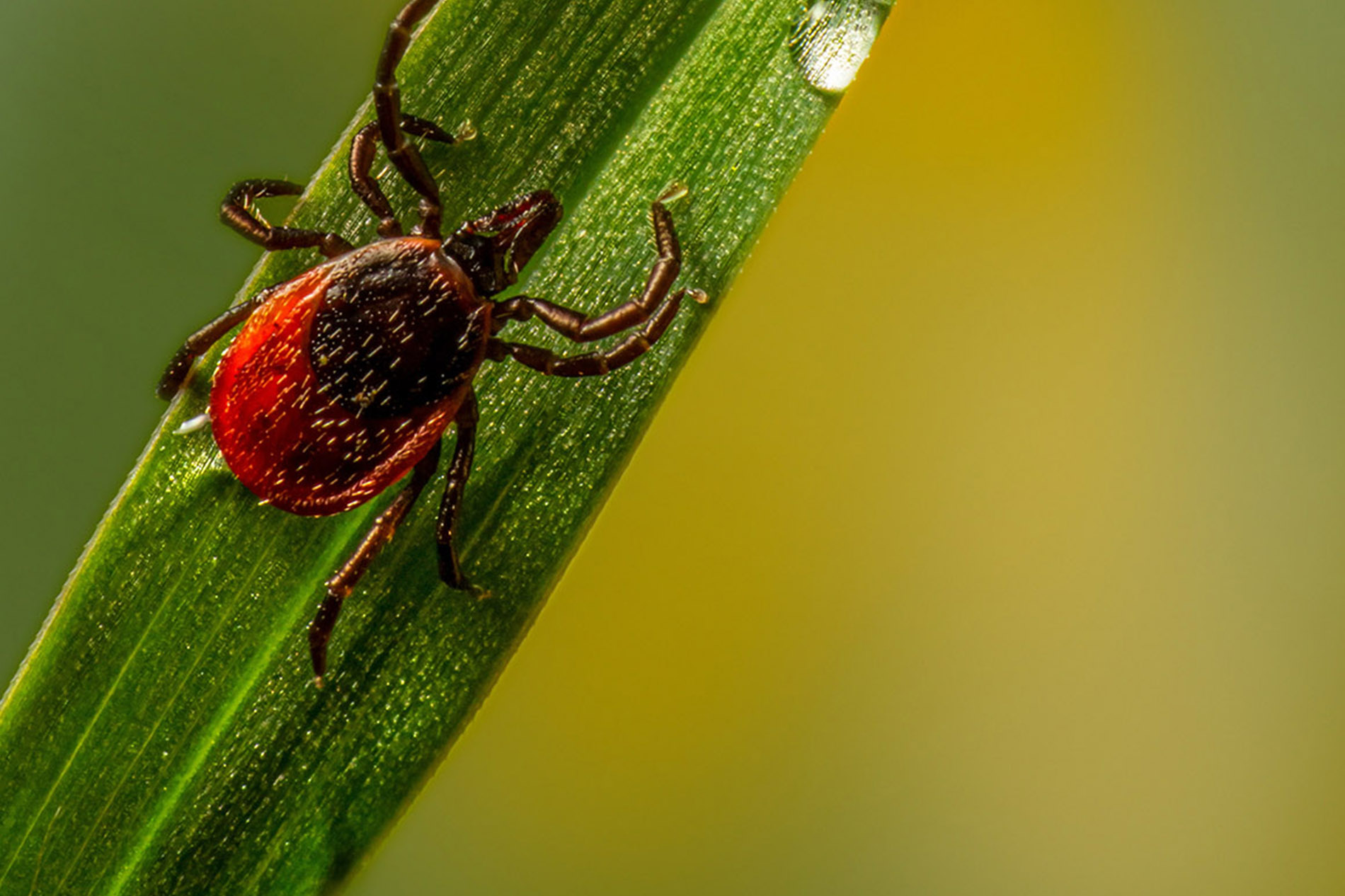
A co-infection occurs when a tick transmits more than one microorganism during a single bite. Blacklegged ticks, the species most commonly associated with Lyme disease, can carry several different bacteria, parasites, and viruses.
When a tick bite introduces multiple pathogens into the body, each organism may influence the immune response and symptom pattern in different ways. This can lead to a more complex illness than infection with a single pathogen alone.
In regions where Lyme disease is common, studies have found that co-infection rates can vary widely depending on geography and the specific tick populations present. In some areas, a significant percentage of infected ticks may carry more than one organism.
Because these infections can occur simultaneously, evaluating tick-borne illness often involves considering the possibility of co-infections alongside Lyme disease itself.
Several pathogens are known to occur alongside Lyme disease. Each organism affects the body differently and may produce distinct symptoms. These infections can also occur independently of the Lyme disease symptom presentation.
Babesia is a microscopic parasite that infects red blood cells. It is transmitted by the same blacklegged ticks that carry Lyme disease.
Symptoms of Babesia infection can include fatigue, fever, chills, night sweats, and shortness of breath. Because it affects red blood cells, Babesia may sometimes contribute to symptoms related to oxygen delivery and energy levels.
Bartonella is a group of bacteria that can affect blood vessels and the nervous system. While Bartonella can be transmitted by several insects, ticks may also play a role in transmission.
Individuals with Bartonella infection may experience symptoms such as neurological discomfort, nerve pain, fatigue, headaches, or cognitive changes. These symptoms can sometimes overlap with those seen in Lyme disease.
Anaplasma and Ehrlichia are bacteria that infect certain immune cells. These infections often produce symptoms that resemble a flu-like illness, including fever, fatigue, muscle aches, and headaches.
Although these infections can sometimes resolve with appropriate treatment, they may complicate the clinical picture when they occur alongside other tick-borne pathogens.
When multiple infections are present, they can influence both symptoms and recovery in several ways.
Each organism behaves differently and may require a different clinical approach, which is why identifying possible co-infections can be an important part of evaluating tick-borne illness.
When symptoms suggest a possible tick-borne illness, practitioners may consider both Lyme disease and potential co-infections as part of the evaluation process.
Assessment typically begins with a detailed review of symptoms, environmental exposure, and health history. Because individuals do not always recall a tick bite, symptom patterns and lifestyle factors can provide helpful clues.
Laboratory testing may also be used to investigate immune responses to Lyme disease and other tick-borne pathogens. These tests are often interpreted alongside the patient’s clinical history and symptoms to provide a more complete picture of what may be contributing to illness.
More information about these laboratory approaches can be found on our Tick-Borne & Chronic Infection Testing page.
Tick-borne infections rarely exist in isolation. Lyme disease may occur alongside other pathogens, and symptoms can evolve over time as the immune system responds to these exposures.
For this reason, evaluating possible tick-borne illness often involves looking beyond a single diagnosis and considering the broader pattern of symptoms and immune responses.
If you would like to learn more about Lyme disease and how it affects the body, visit our Lyme Disease and Tick-Borne Illness page.
Dr. Amy Morrison, ND is a naturopathic doctor at Neurvana Health with a clinical focus on complex chronic illness, immune dysregulation, and environmental health conditions. She works with patients experiencing persistent or multi-system symptoms, helping investigate potential infectious, inflammatory, and immune contributors to chronic illness.